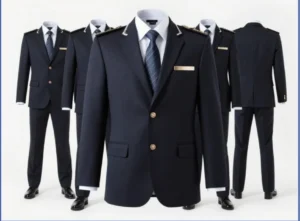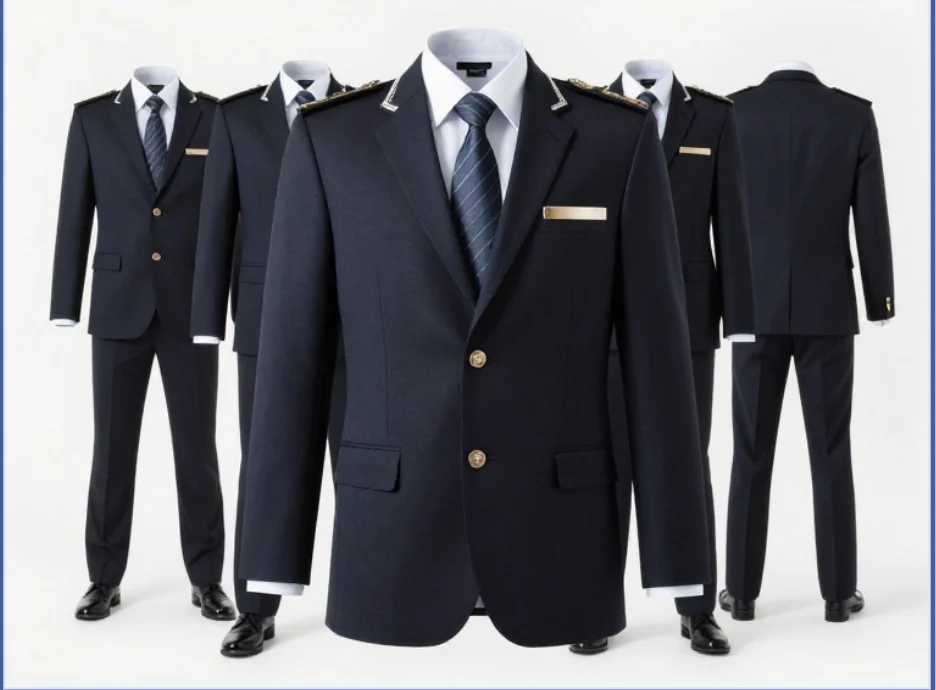
Your team is often the first thing a customer notices. Whether it is a barista in a Tanjong Pagar café or a technician arriving at a condo, what your staff wear says something about your brand before anyone says a word. Choosing the right custom made uniform is less about fashion and more about getting a few practical decisions right.
Start With Your Brand and Your Team’s Role
Before looking at fabrics or colours, ask what the uniform needs to do. A front-of-house team may need a polished, approachable look, while a warehouse crew needs durability and freedom of movement.
Think about:
- How much time staff spend indoors versus outdoors
- Whether they lift, carry or move around a lot
- How customers should perceive your business, such as friendly, professional or premium
Match the style to the work, and your team will wear it with confidence.
Pick Fabrics That Suit Singapore’s Climate
Heat and humidity make fabric the most important choice you will make. A heavy blend that looks sharp in a showroom can feel stifling by midday on Orchard Road.
- Cotton is soft and breathable, suited to office and retail settings.
- Polyester blends resist creasing and shrinkage, making them practical for frequent washing.
- Moisture-wicking fabrics keep outdoor and active teams comfortable in the heat.
- Cotton-poly mixes balance comfort and durability for most everyday roles.
If budget allows, request fabric swatches or a sample piece so your team can test comfort before you commit.
Choose the Right Style and Fit
Polo shirts remain the most popular choice for Singapore businesses, as they look smart without being stiff. T-shirts suit casual or event-based teams, while button-down shirts and aprons work well for hospitality and professional services.
Fit matters just as much. Offer a range of sizes and cuts, including men’s, women’s and unisex options, so everyone feels comfortable. Staff who feel good in their uniform tend to take more pride in wearing it.
Understand Your Logo Application Options
How your logo appears on the garment affects both appearance and longevity. Embroidery gives a premium, textured finish and holds up well on polos and jackets. For larger designs or budget-friendly bulk orders, company shirt printing using screen printing or heat transfer is often the more practical route. DTF printing is also gaining popularity for detailed, multi-colour artwork.
Keep your logo clean and simple. Complex designs with fine lines may not reproduce well at small sizes, so send high-resolution artwork in vector format if you have it.
Plan Your Budget and Timeline Early
Cost depends on fabric, quantity, logo method and the number of colours. Ordering in larger batches usually lowers the price per piece, but always leave room for new hires and replacements.
Allow enough lead time too. Sampling, artwork approval and production can take one to three weeks, so avoid leaving orders until just before a launch or event.
Work With a Reliable Supplier
A good supplier does more than produce garments. Look for one that shows past work, provides digital mock-ups, explains minimum order quantities clearly and offers reorders in matching colours. Reviews from other local businesses can also give a useful picture of their service.
Final Thoughts
The right custom made uniform should look good, feel comfortable in tropical weather and reflect your brand consistently. Start with your team’s needs, test fabrics and fits, and pick a logo method that suits your budget. When you are ready to compare suppliers for company shirt printing, ask for samples first, as they reveal quality far better than any brochure.
FAQ
How many uniforms should I order per employee?
Two to three sets per person is a practical starting point.
Is embroidery or printing better for staff uniforms?
Embroidery lasts longer and looks premium, while printing is better for detailed designs and larger budgets-conscious orders.