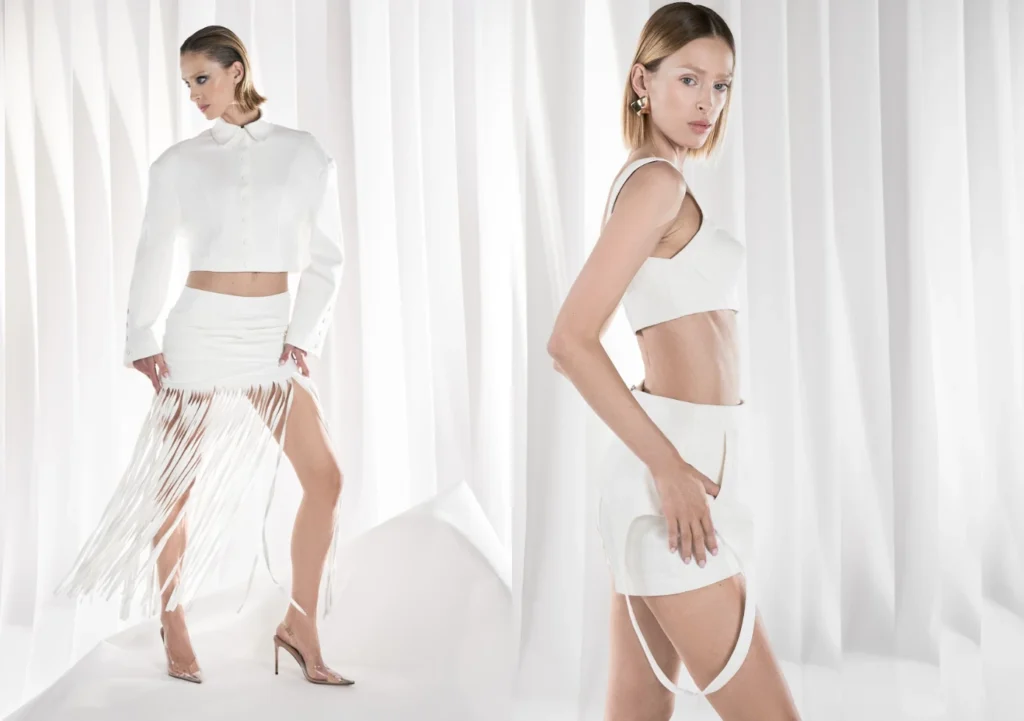
Skirts occupy a unique position in a wardrobe: versatile enough to anchor an office outfit, an evening look, and a travel day, yet easy to get wrong if fit, fabric, or proportion are off. Choosing well among designer womens skirts requires knowing what to evaluate beyond the silhouette shown in a product photo.
Start With Fit at the Waist and Hip
The waistband should sit where you naturally prefer to anchor outfits — true waist, high waist, or slightly below — without digging in when seated. Around the hips, look for a smooth line with enough ease to walk comfortably; if a skirt pulls at the back or rides up during normal movement, the cut needs adjusting, regardless of how well it photographs while standing still.
These two fit points determine more about how a skirt actually performs day-to-day than any other single design feature.
Match Fabric to Your Actual Life
Fabric should be chosen with real use in mind, not just visual appeal. A fabric that recovers well after sitting — bouncing back rather than holding a crease — matters considerably for anyone commuting or traveling regularly. Darker or textured tones tend to handle daily wear more gracefully than pale, lightweight fabrics that show every mark.
For evening-specific pieces, fluid materials like silk or satin justify a different set of priorities: drape and movement over durability for constant daily use.
Choose a Silhouette for Your Wardrobe Gaps
Rather than buying skirts that duplicate what you already own, it’s more useful to identify which silhouette is actually missing. A refined pencil skirt fills the gap for structured, professional dressing. An A-line midi offers the most universal flexibility across body types and occasions. A fluid slip skirt adds a softer, more fluid option for evenings. A long column silhouette serves travel and elevated daywear particularly well.
Selecting deliberately across these categories, rather than accumulating variations of a single shape, produces a more functional and complete skirt wardrobe.
Build Toward Complete Outfits
The most reliable test before buying any designer skirt is whether you can immediately identify at least three complete outfits using pieces you already own. A well-chosen skirt in a versatile, neutral tone should connect naturally with existing knitwear, blouses, and tailoring — multiplying its value rather than requiring an entirely new set of purchases to support it.
Approached this way, each new skirt strengthens the wardrobe as a system rather than existing as an isolated purchase — which is ultimately what separates a genuinely useful addition from a passing impulse buy.

Alien Mark is a humor-loving wordplay enthusiast and the creative mind behind PunEnjoy.com. With a passion for clever puns, jokes, and lighthearted laughs, Alien Mark crafts fun, family-friendly content that brings smiles to readers around the world. From witty one-liners to themed pun collections, his mission is simple: turn everyday words into extraordinary laughter.



4 thoughts on “A Practical Guide to Choosing Designer Women’s Skirts”