A solar quote can look manageable until the battery option appears. Suddenly the project is not only about panels and an inverter. It is also about storage capacity, backup circuits, electrical work, and software.
That is why the price of a hybrid solar inverter system should be judged as a system price, not a single hardware line. The inverter may be the control point, but the battery changes the scope.
The Battery Is Not Just an Add-On
EnergySage reports that solar batteries typically cost $15,228 before incentives for 13.5 kWh of storage. That figure is not a universal quote, but it shows why storage changes the budget. A battery adds hardware, installation time, permitting, wiring, and design decisions.
A battery stores electricity for later use, usually for evening self-consumption, peak-rate periods, or outages. Once a battery is included, the installer also needs to define how the home will use it. Bill savings and backup require different sizing assumptions.
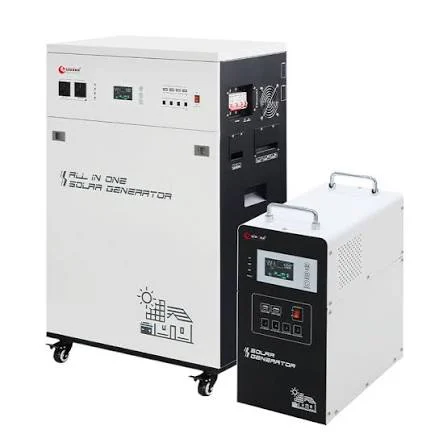
An integrated home storage system can simplify the design conversation because the inverter, battery, and energy management functions are planned as a connected system rather than separate pieces.
Four Things That Move the Price
The biggest price drivers are usually capacity, output, backup scope, and site complexity. Capacity is the amount of stored energy. Output is the amount of power the system can deliver at once. Backup scope is whether the system supports essentials or the whole home. Site complexity includes panel upgrades, conduit runs, local code, and utility interconnection.
Incentives can change the net price, but they should not hide the design details. The federal residential clean energy credit can apply to qualified battery storage, according to the IRS, yet the homeowner still needs to understand what the system will do after the paperwork is finished.
Sigenergy lists BAT 6.0 and BAT 9.0 as LFP battery modules with 6.02 kWh and 9.04 kWh capacities, stackable to about 54 kWh per stack. Those product specifications matter because modularity can help homeowners avoid buying more capacity than they need on day one.
LFP stands for lithium iron phosphate, a battery chemistry commonly used in stationary storage because it is known for thermal stability and long service life. The chemistry is only one part of the decision, but it is worth asking about.
Cheapest Is Not Always Least Expensive
A low equipment price can become expensive if the system cannot add batteries later, cannot back up the desired circuits, or needs major redesign when the homeowner adds an EV charger or heat pump.
Labor can also be a surprise. A clean wall with modern electrical gear is different from a crowded service area, long conduit runs, or a panel that needs upgrading. Good proposals separate equipment, electrical work, permitting, and optional backup work so the buyer can compare fairly.
A better comparison is the installed cost for the job the home actually needs. Ask for a solar-only quote, a battery-ready quote, and a solar-plus-storage quote with backup loads listed. The differences will be more useful than a single inverter price pulled from a shopping page.
For homeowners comparing hybrid inverter and battery designs, SigenStor is a useful reference for thinking about storage as a coordinated home energy system rather than a separate battery box.

Alien Mark is a humor-loving wordplay enthusiast and the creative mind behind PunEnjoy.com. With a passion for clever puns, jokes, and lighthearted laughs, Alien Mark crafts fun, family-friendly content that brings smiles to readers around the world. From witty one-liners to themed pun collections, his mission is simple: turn everyday words into extraordinary laughter.



1 thought on “Hybrid Solar Inverter Price: What Changes When You Add a Battery?”